
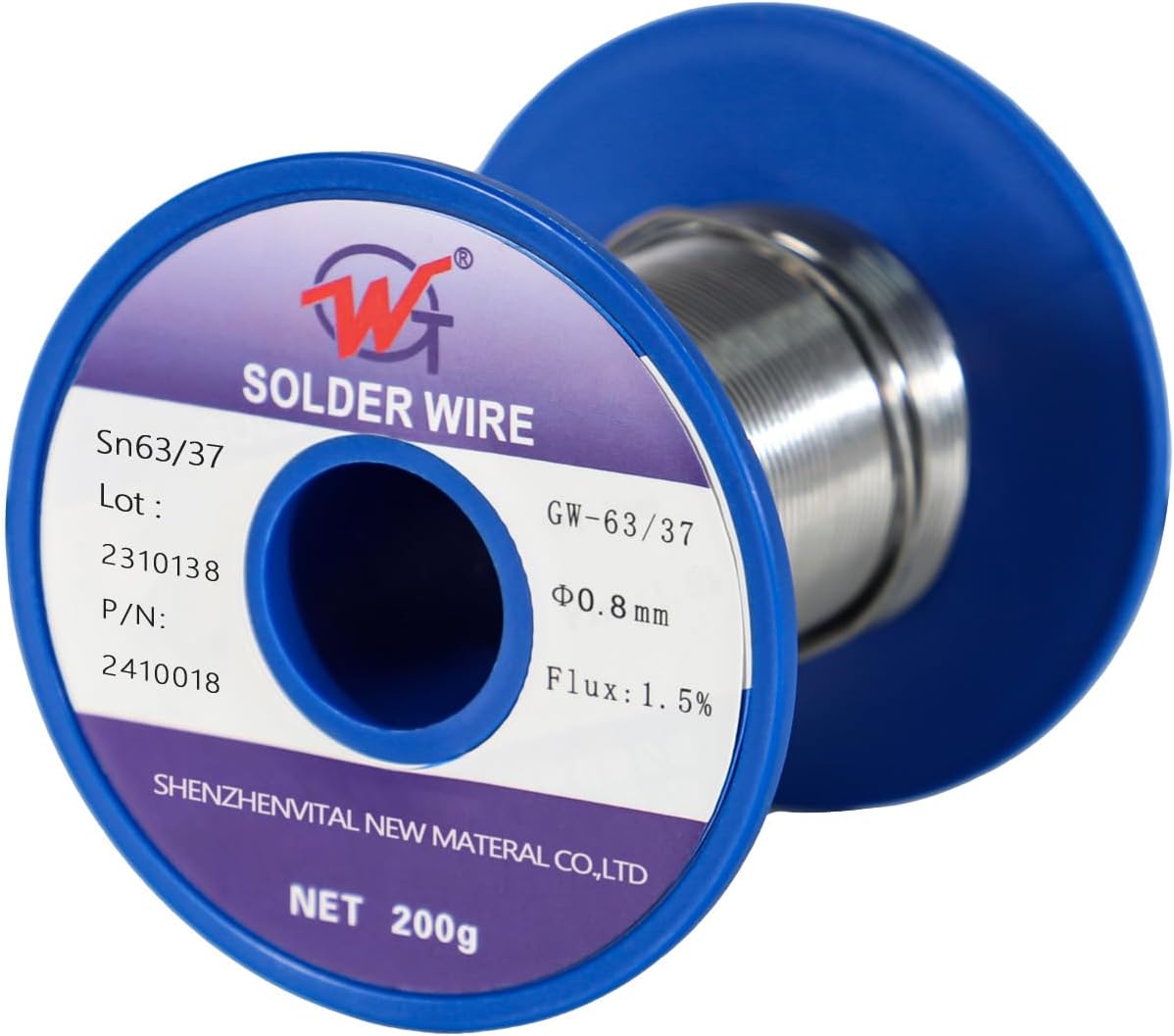
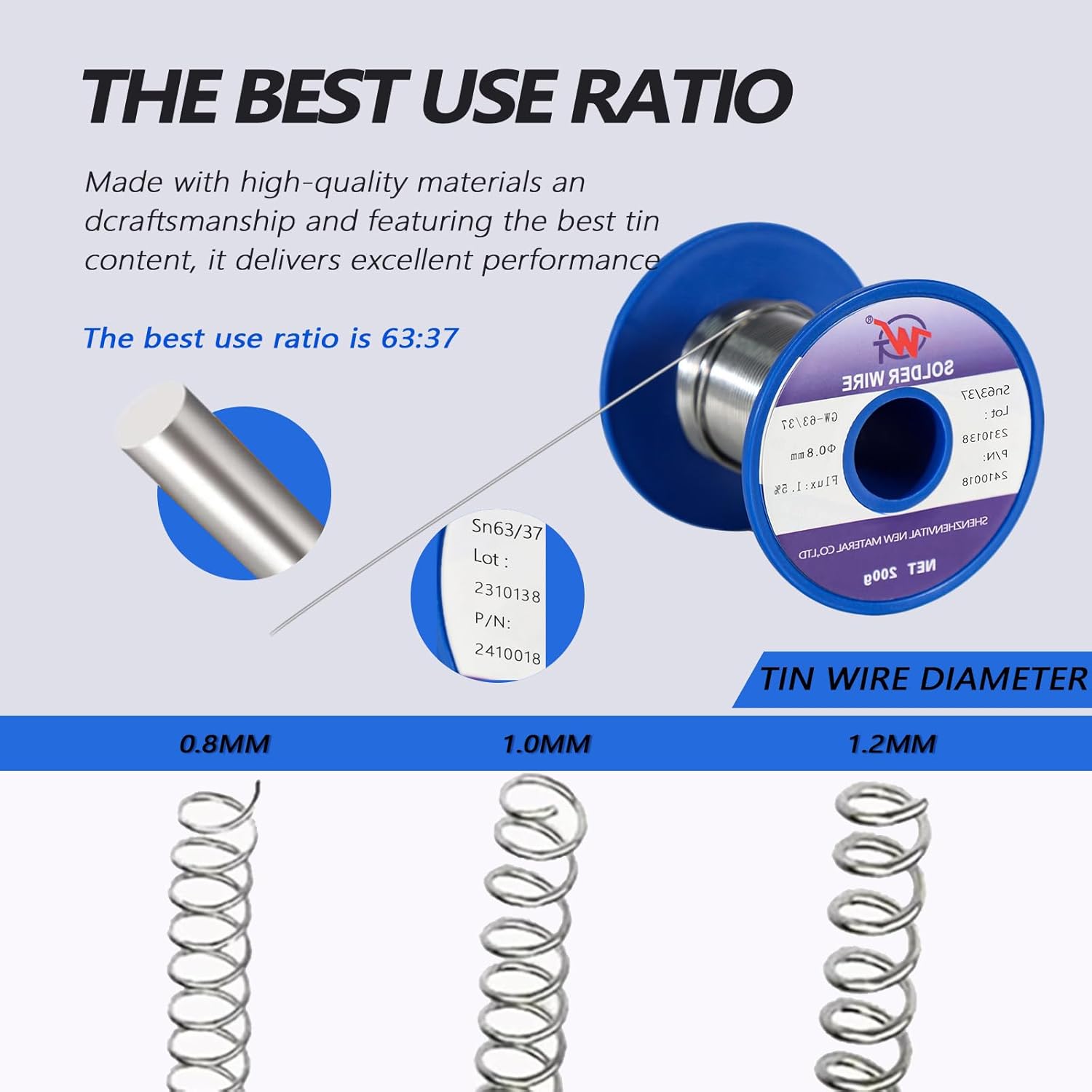
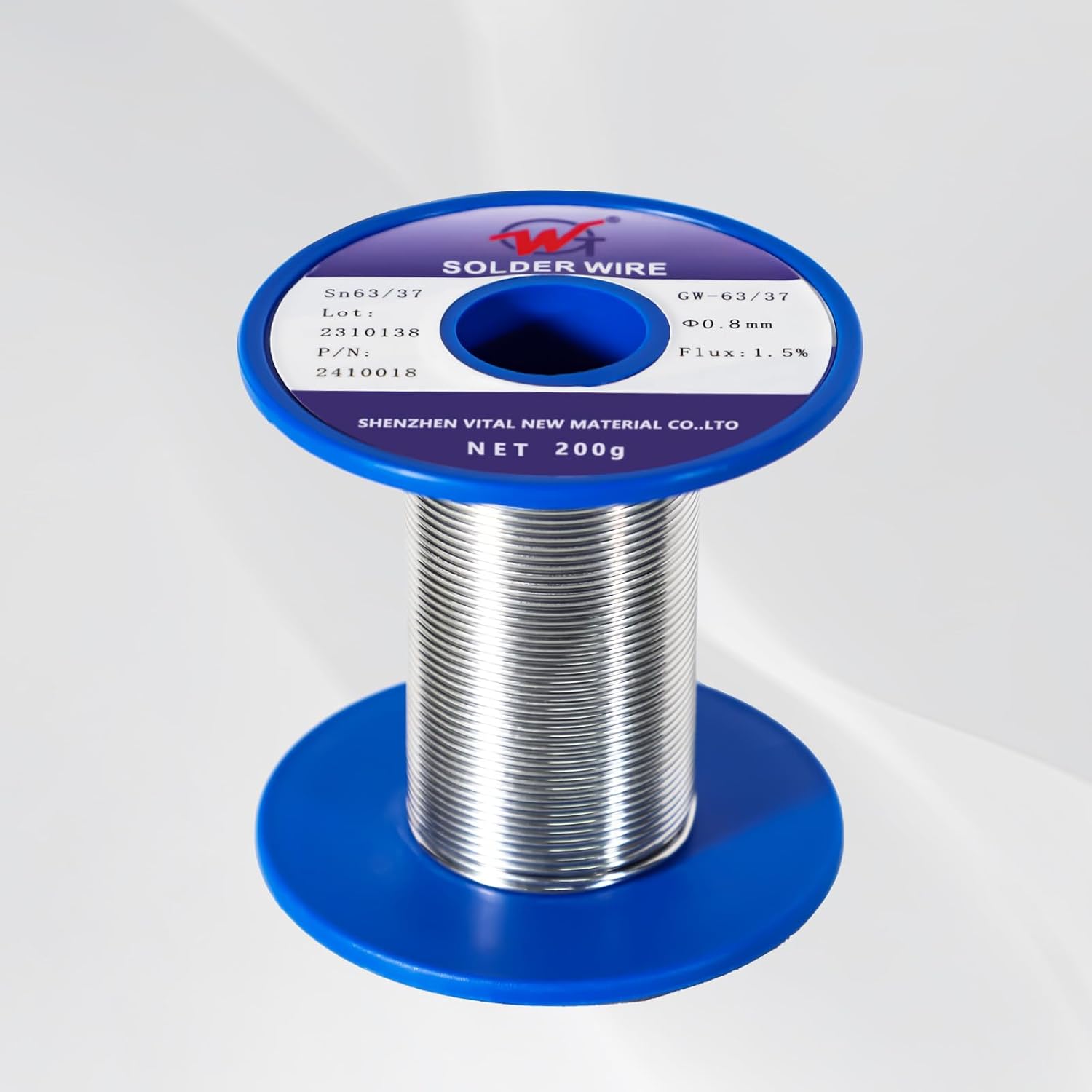
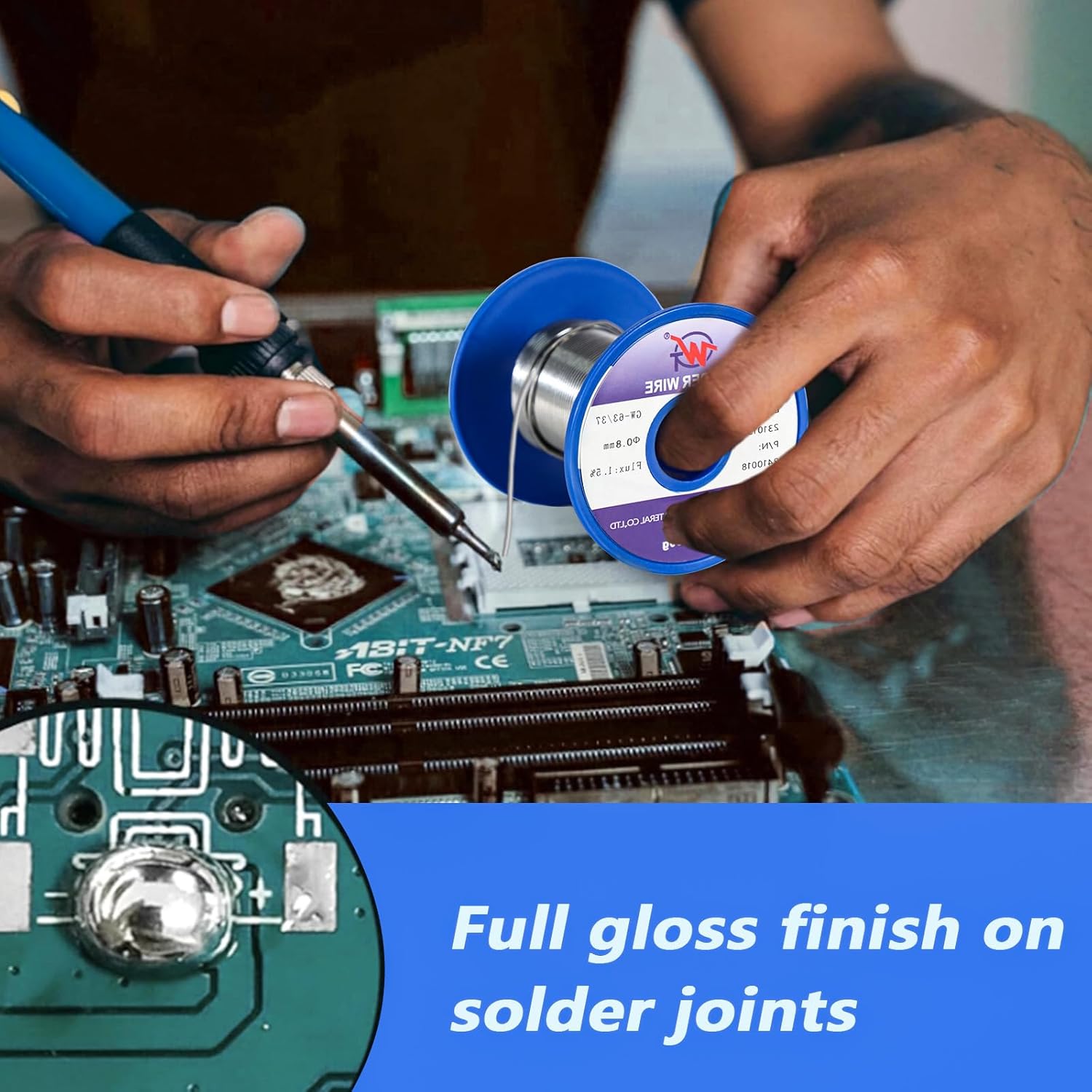
0.8mm 200g Solder Wire – High-Strength 63/37 Tin-Lead Solder with 183℃ Low Melting Point for Electronics, Mechanical, Automotive, and Communications Industries
$ 4.31
Some of the electrical pros I follow online say there’s no way to really know what goes into 60/40, 63/37, and other mixes of alloys in offshore-made, consumer grade solder. They swear by certain well-established brands and that’s great – they have a professional interest in consistent quality resultsI’m not a pro, I’m a hobbyist who can only go by my own experience wiring musical instruments for myself and friends and doing light bread boarding projects. So I decided to try out a number of “no name” solder brands in different thicknesses.My main concerns were melting point, what I call workability, meaning how sturdy the strand is to hold steady and resist bending and breaking, and the ability to desolder oxidized joints on component parts and wires as I probably spend as much time redoing old joints and salvaging old pots and switches as I do wiring up new ones.According to my soldering station it took 450F to get this solder to really flow in a liquid state that would tin wires and pool on the back of a pot. That’s a bit higher than the advertised 360F or so. I waited a good few minutes for Other solders I use will melt a little lower, at about 450F.Melting point is more a reference and indicator of what might be inside the solder than a practical concern. Melting point is only halfway there, heat-wise, sometimes literally. When working with guitar electronics, for example, I’m normally at 700-750F to quickly heat component surfaces and leads and apply solder with minimal risk of damaging them internally.1mm thickness is generally what works for me for non-PCB work. It’s a good compromise of ease in handling, including inserting into switch and pot lugs, along with efficiency in the amount of solder I can deliver “per inch”. I can tell the difference with this 0.8mm by touch and by it being a little easier to pass through lugs. And I would say it performs as well as any I’ve used, without bending, breaking or giving excessive rosin smell.Desoldering a big “globby “ground wire/pot joint took applying about a two inches of solder to clean up and blend with what was there, but it got the job done and I could vacuum it off and create a new joint. Here’s case where I might have used a shorter length of 1mm solder, but no big deal.Bottom Line: Aside from my experience with melting point not matching the description, this solder functions fine for my hobbyist needs.
Related products
-
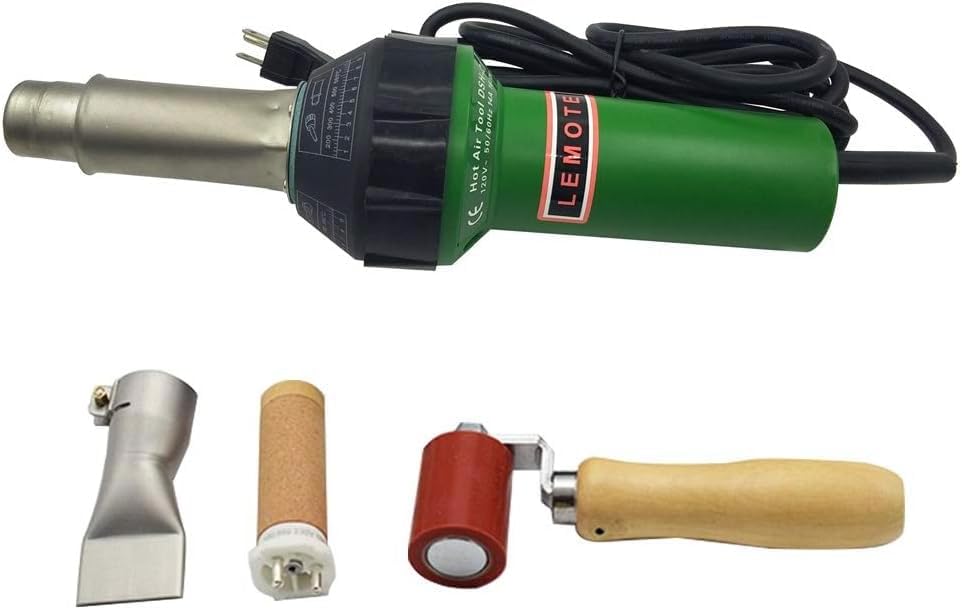 110V 1600W Professional Hot Air Gun Kit, PVC Roofing Welding Tool with Seam Rollers, Weld Nozzle
 -
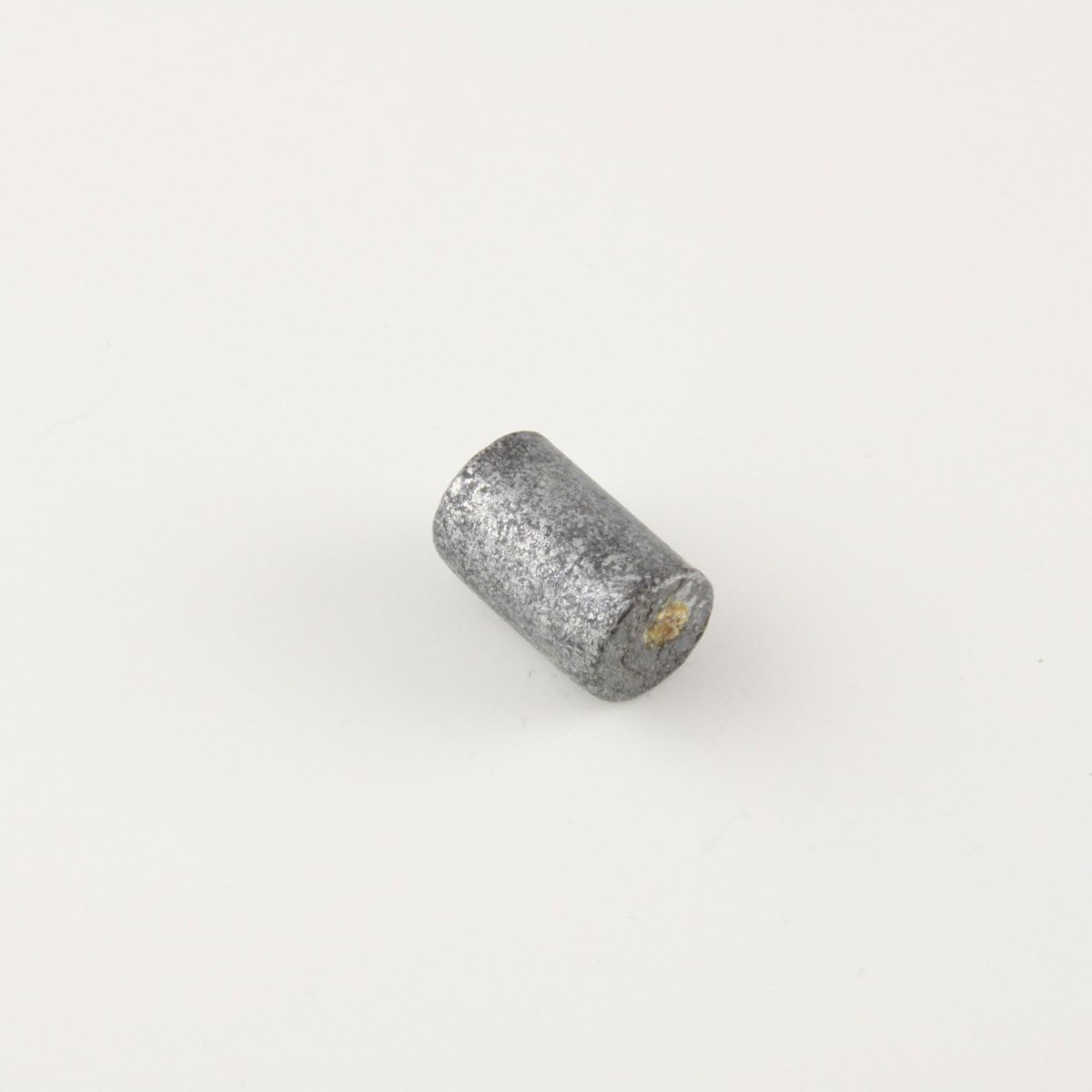 1/0 Ga. Gray Solder Slugs for Copper Lugs and Battery Terminals – (Pack of 10)
 -
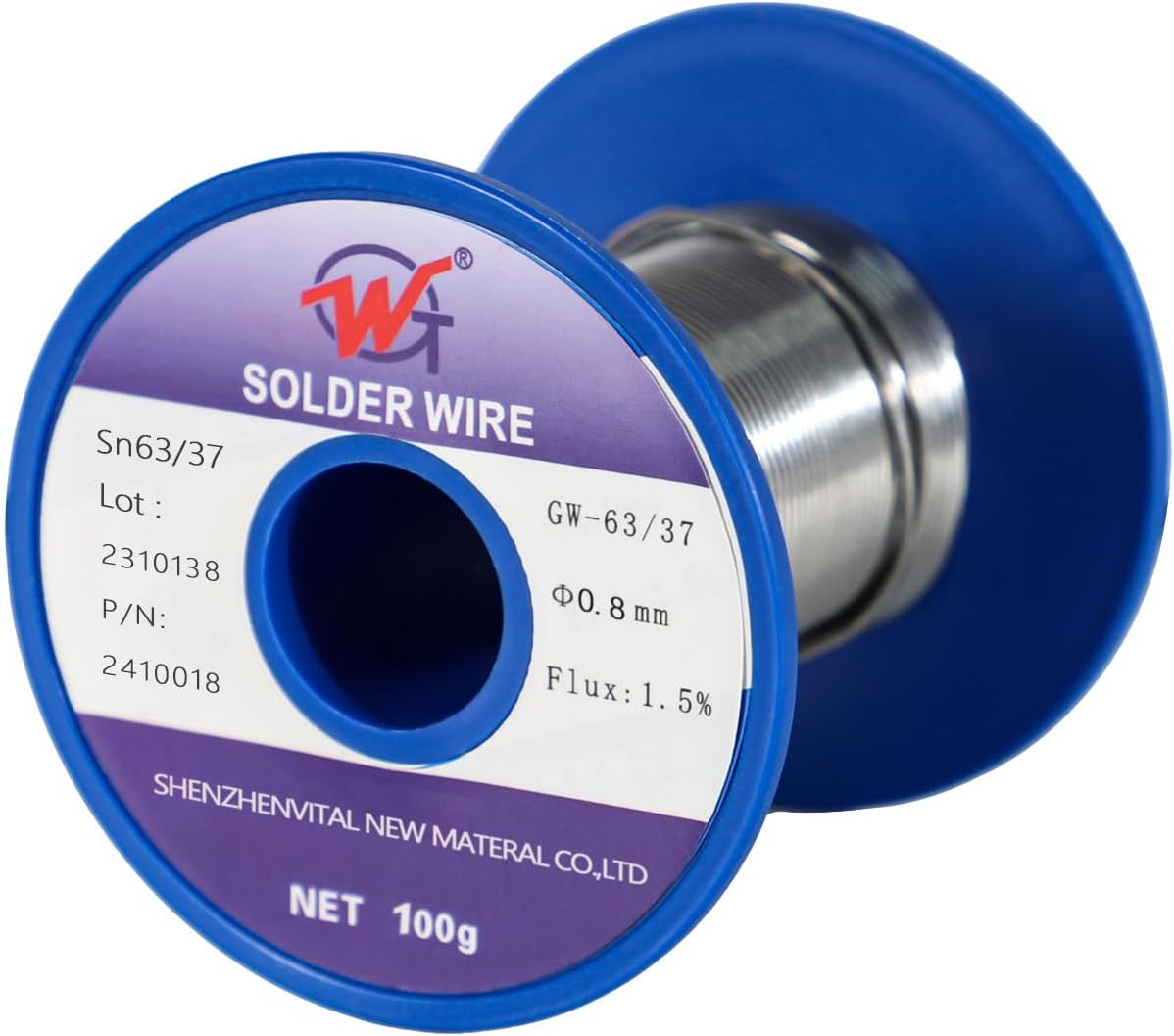 0.8mm 100g Solder Wire – High-Strength 63/37 Tin-Lead Solder with 183℃ Low Melting Point for Electronics, Mechanical, Automotive, and Communications Industries